 Skip to content

Joint Injections In Leeds
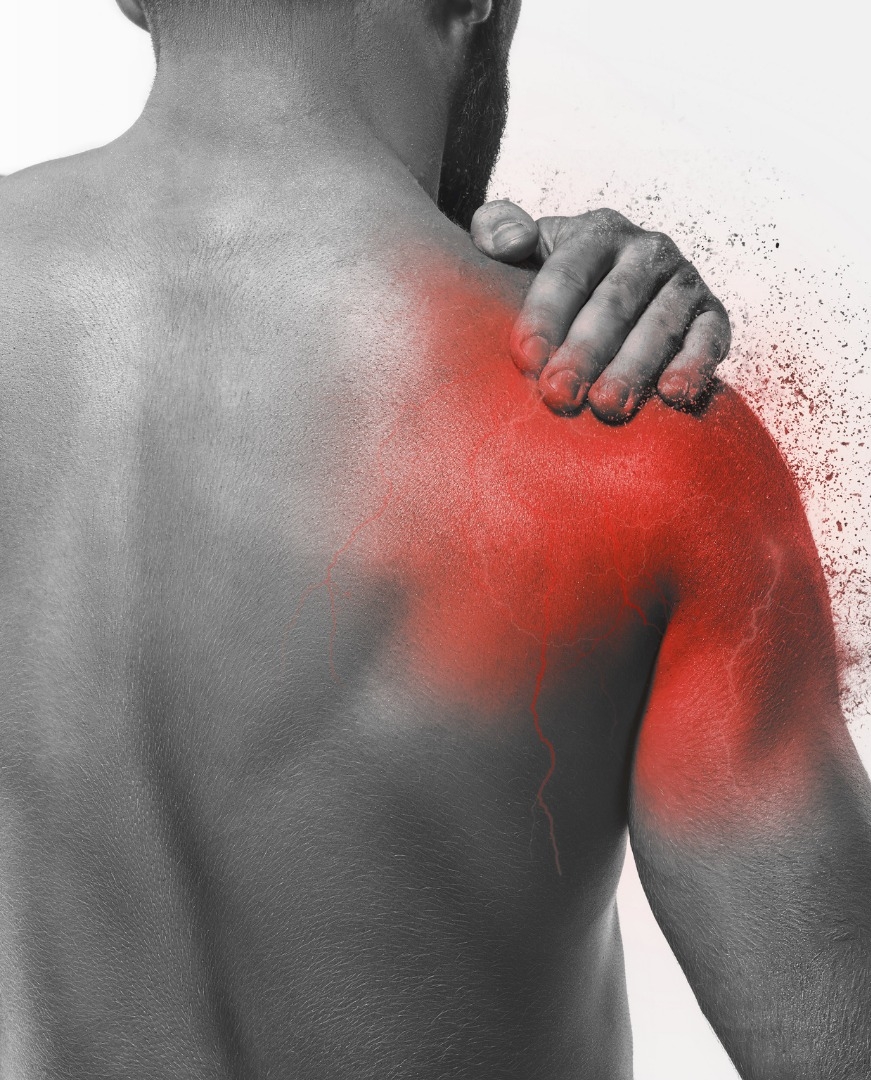
Private Joint Injection Consultations
Are you looking for Steroid / Cortisone / Durolane Joint Injections in Leeds?
Dr Sarwar at Revive Health offers private consultations for patients experiencing joint pain or reduced mobility. Following a clinical assessment, joint injection treatments may be discussed where appropriate.
These services are provided by Dr Sarwar in a private capacity and are separate from NHS services.
Steroid / Cortisone Joint Injections in Leeds
What is a steroid / cortisone injection?
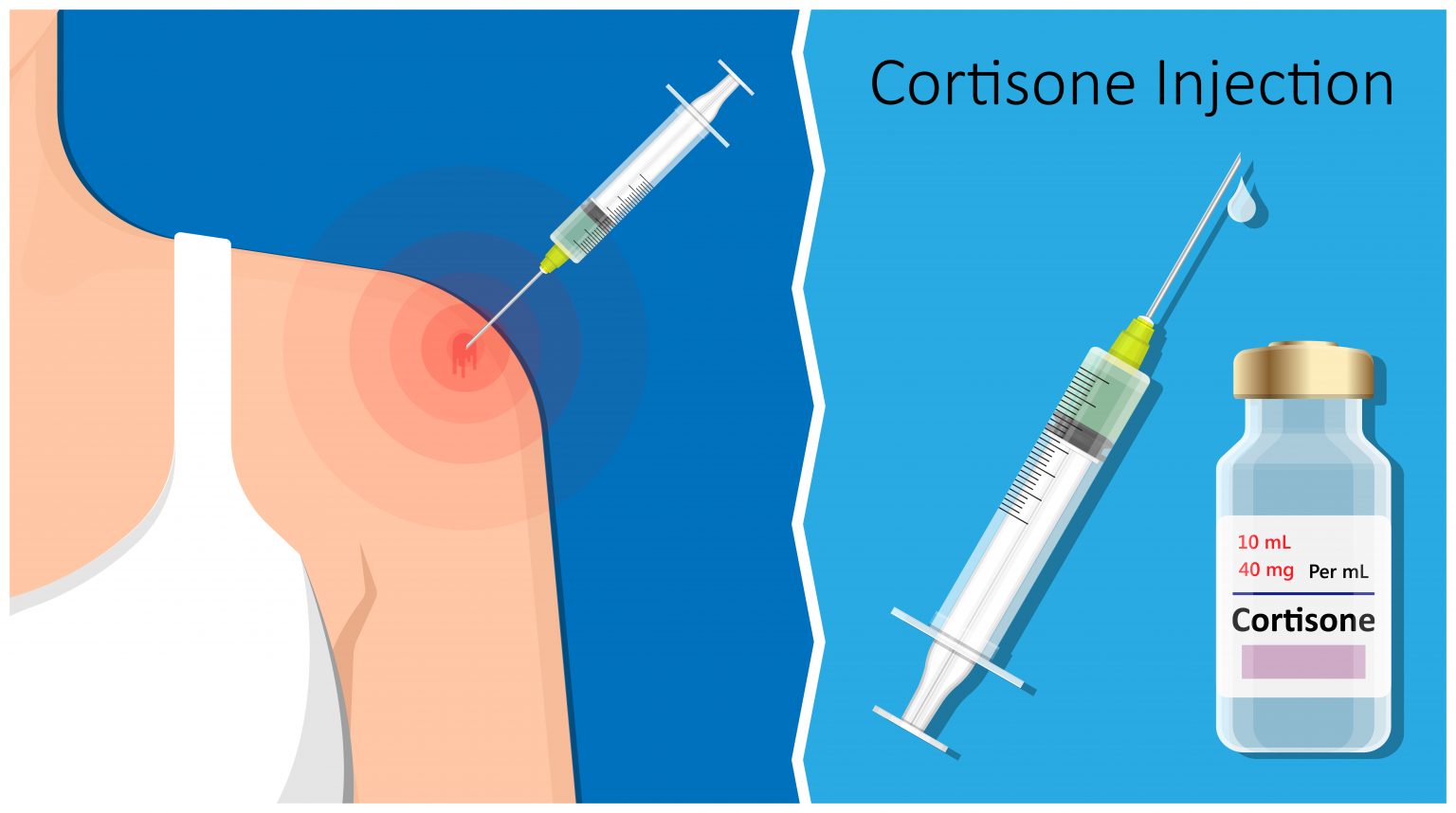
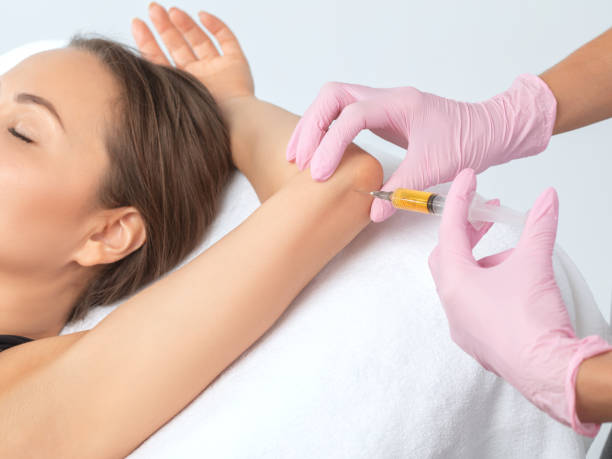
Steroid injections, also known as Cortisone injections, are anti-inflammatory medicines that are injected into a joint or soft tissue to help reduce localised inflammation and to reduce pain.
How do steroid / cortisone injections work?
Steroid injections work by reducing inflammation in the targeted area, which in turn helps to alleviate swelling and pain. These injections are commonly used to treat inflammatory conditions and musculoskeletal pain, including inflammatory arthritis, osteoarthritis, and various soft tissue conditions involving pain and/or inflammation.
How quickly do steroid / cortisone injections work and how often can you have them?

Steroid injections can begin to take effect within a few days, although it may take up to two weeks for some individuals to experience noticeable improvement. The benefits typically last for several months, and in some cases, the injection can significantly improve the condition. It is generally considered safe to have a maximum of three injections per joint per year to avoid potential side effects.
Which body parts are you able to inject?
Shoulder Rotator cuff disorders & subacromial impingement
Shoulder Osteoarthritis: Glenohumeral joint and Acromioclavicular joint (ACJ)
Frozen shoulder (adhesive capsulitis)
Long head of Biceps Tendinitis
Tennis elbow (lateral epicondylitis)
Golfers elbow (medial epicondylitis)
Elbow Osteoarthritis
Carpal tunnel syndrome
Wrist Osteoarthritis (Radiocarpal joint)
De Quervains Tenosynovitis of the wrist
Osteoarthritis of the base of the thumb (1st carpometacarpal joint)
Trigger fingers
Trochanteric bursitis of the hip
Knee Osteoarthritis
Ankle Osteoarthritis (Tibiotalar joint)
Plantar Fasciitis of the foot
Osteoarthritis of the great toe (1st metatarsophalangeal joint)
Mortons Neuroma
Hyaluronic Acid & Durolane Joint Injections in Leeds
Understanding Hyaluronic Acid and Durolane Injections
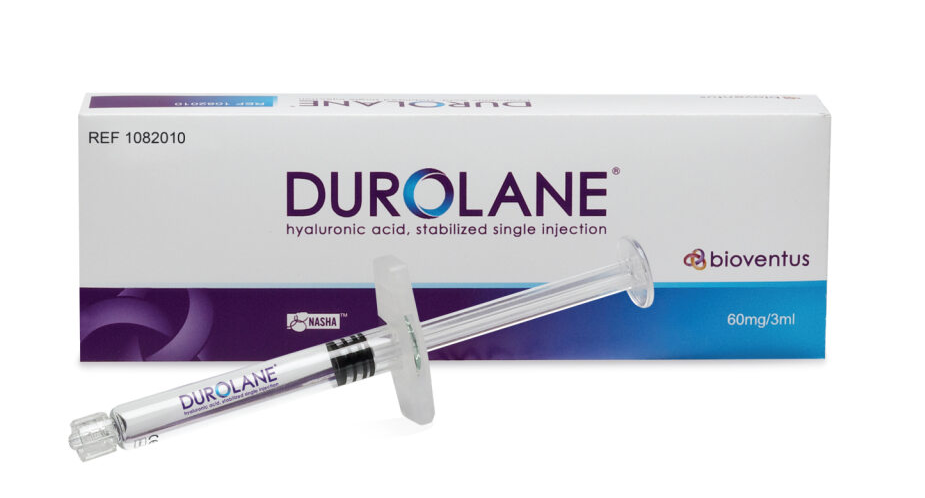
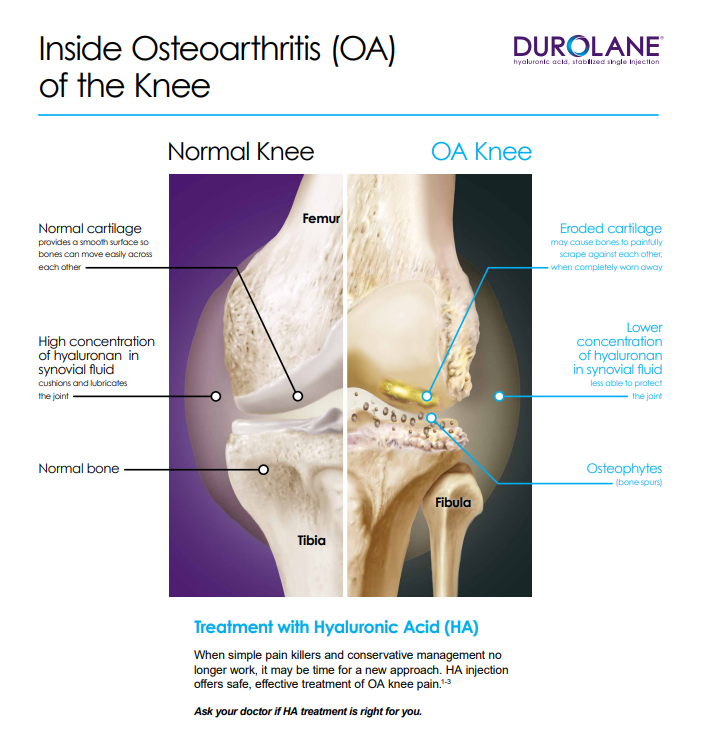
Hyaluronic acid is a natural component of joint fluid, acting as a lubricant and shock absorber to support joint movement. In osteoarthritis, its levels decrease, leading to joint pain and stiffness.
At Revive Health, Dr Sarwar offers Durolane injections for knee and shoulder osteoarthritis. Durolane is a high molecular weight hyaluronic acid treatment designed as a single-injection solution to restore joint lubrication and cushioning. By reducing friction and enhancing joint function, it may help relieve discomfort and improve mobility for those with osteoarthritis. It is a suitable option for those who have not found relief with painkillers, steroid injections, or physiotherapy.
Is Durolane Right for You?
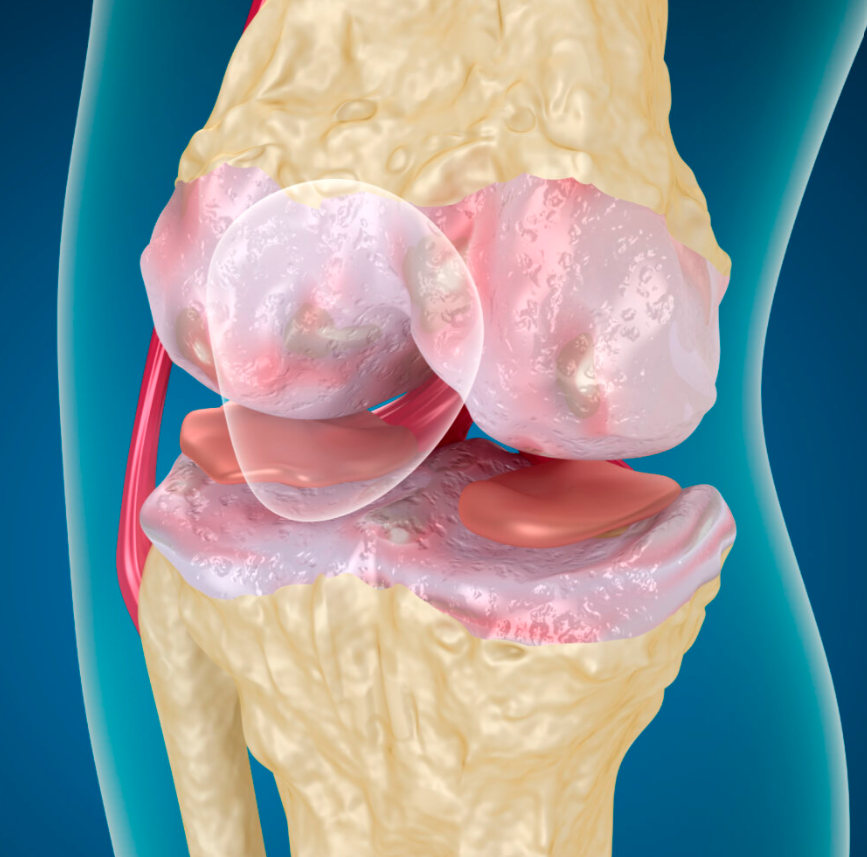
Durolane injections may be an effective option for individuals experiencing joint pain due to osteoarthritis in the knee or shoulder. A consultation with Dr Sarwar will help to assess your specific needs.
During your consultation, Dr Sarwar will review your medical history, evaluate your condition, and answer any questions you may have about Durolane. It may not be suitable for individuals with localised skin infections around the joint, severe allergies to hyaluronic acid, advanced osteoarthritis requiring surgery, or those who are pregnant or breastfeeding. Your safety is my priority, and I will conduct a thorough assessment before recommending any treatment.
If you’re seeking a non-surgical option for osteoarthritis relief, book a consultation today to find out if Durolane is right for you.
What to Expect from a Durolane Injection

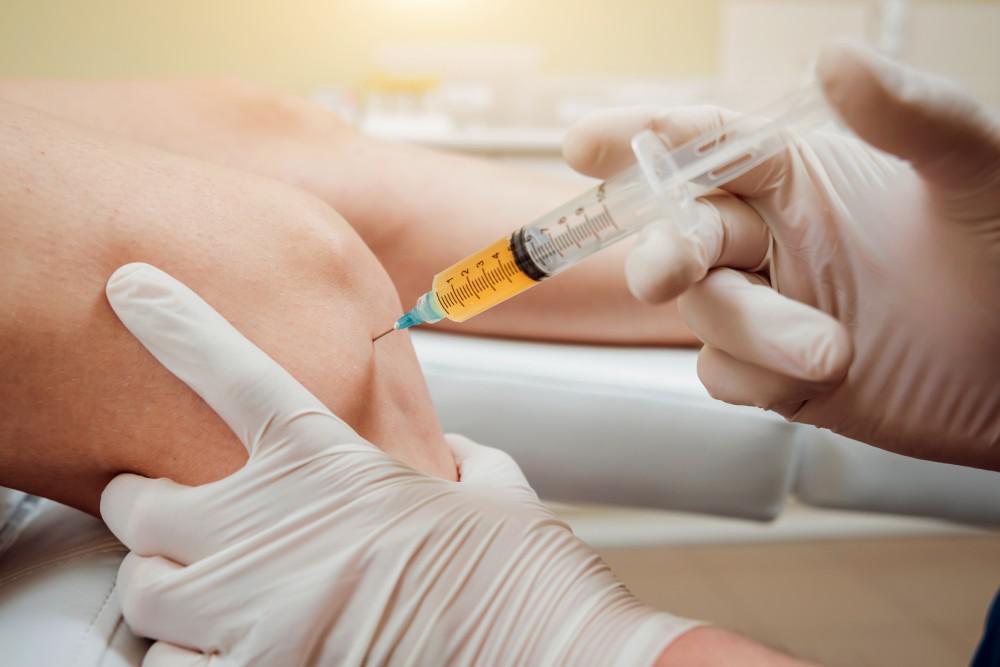
At Revive Health, Durolane injections are administered as a quick and straightforward procedure. After cleaning and preparing the injection site, Durolane is injected directly into the knee or shoulder joint. Common side effects include mild swelling, stiffness, or discomfort at the injection site, which usually resolves within a few days. Many patients experience pain relief within a few weeks, with effects lasting up to six months or longer depending on individual response.
Unlike many other Hyaluronic acid injections requiring several injections over a few weeks, Durolane is designed as a single-injection treatment.
How to Book a Private Joint Injection Consultation
If you would like to discuss your symptoms or explore whether joint injection treatment may be appropriate for you, please book a private consultation.
The cost of a private steroid injection is:
• £125 for one joint
• £230 for two joints (if treated during the same consultation)
The cost of a Durolane injection is:
• £300 for one joint
• £580 for two joints (if treated during the same consultation)
Fees reflect private consultation, clinical assessment, and where appropriate, administration of injectable treatment.
If, during your consultation, it is determined that a joint injection is not the most suitable treatment for your condition, an alternative management plan will be discussed with you. In this case, a consultation fee of £75 will apply, and any difference paid will be refunded to you.
Disclaimer: Medical treatments and their effectiveness can vary from person to person. The information on this page is not intended to be a substitute for professional medical advice, diagnosis, or treatment.
Do I need to have an X-ray or scan before an injection?
In some cases, imaging such as an X-ray or scan can be helpful to confirm a diagnosis, but it is not always necessary, as many conditions can be accurately diagnosed through a clinical examination. If you have previous imaging reports or a confirmed diagnosis, please bring these with you to your consultation. If, after assessment, it is determined that imaging would help guide your treatment plan, I can arrange this at a local private hospital (please note, additional costs will apply for imaging services).
You Have Questions
We Have Answers
Are steroid / cortisone injections safe and what are the possible side effects?
Steroid injections leeds have been safely used to treat musculoskeletal conditions for decades and are generally considered a reliable treatment option. Each patient undergoes a thorough assessment to determine if the injection is both safe and beneficial for their specific condition. While the vast majority of patients experience no significant side effects, any potential risks will be fully discussed during your consultation to ensure you are well-informed and confident in your treatment plan. Some of the side effects could include:
Post-injection pain: Around a quarter (1 in 4) people may notice an increase in their pain (post injection flare) within the first 24-hours after injection. This usually settles within a couple of days. Simple painkillers, such as paracetamol and applying a cold compress, may help. Occasionally, post injection flare might be more pronounced and go on for up to a week. Very rarely, the pain can be severe (otherwise known as pseudo sepsis) and on these rare occasions, the patient must seek urgent medical attention.
Skin changes: Injections can occasionally cause some thinning and changes in the colour of the skin at the injection site (known as depigmentation). In rare cases a steroid injection into muscles or joints can cause an indentation in the skin around the area (known as fat atrophy).
Infection: Very rarely (approximately 1 in 50,000 people) a joint or soft tissue structure may become infected following an injection – signs of infection are increased pain, heat, redness and swelling. Patients will often feel generally unwell (e.g. fever and nausea). If you are concerned about possible infection you should seek medical attention immediately.
Risk of tendon rupture: mostly associated with steroid injections directly adjacent to weightbearing tendons – steroids may cause temporary weakening of tendons or ligaments at the injection site. Rupture is unlikely to occur if you take things easy for a few days after the injection.
Immunosuppression: Steroid injections may cause temporary immune suppression. This should be considered in relation to Covid-19. A two week interval should be left between receiving a Covid vaccine and having a steroid injection as the steroid may reduce the effectiveness of the vaccine.
Diabetes: Patients with diabetes may experience a temporary fluctuation in their blood sugar levels following a steroid injection.
Anaphylaxis: it is extremely rare to have an allergic reaction to steroid or local anaesthetic (1:500,000). This would usually happen within the first few minutes of an injection and requires immediate medical attention. Very rarely the allergic reaction can be delayed. The symptoms you might experience are feeling lightheaded or faint, breathing difficulties (such as fast, shallow breathing and/or wheezing), a fast heartbeat, clammy skin, confusion and anxiety, collapsing or losing consciousness. In this situation you must call 999.
Other possible side effects: dizziness, facial flushing, numbness around the area injected, blurred vision, vomiting.
What happens after the injection?
If you receive a local anaesthetic with your injection, you may feel immediate pain relief, but this typically wears off after a few hours. The steroid itself may take up to two weeks to fully take effect, but the benefits can last several weeks to several months. While most patients experience significant or partial relief, a small number may not experience any improvement.
Transport and Aftercare:
If you receive a local anaesthetic, it may cause temporary numbness, making it difficult to drive safely. You might want to arrange alternative transport home.
Some patients experience increased pain immediately after the injection, so this should be considered when planning your journey.
You are welcome to bring a friend or family member to accompany you to your appointment.
Post-Injection Activity Guidelines:
If the injection is into a joint, you should avoid strenuous exercise for at least two days.
If the injection is around a tendon, it’s recommended to avoid heavy impact or loading activities for up to two weeks.
These guidelines are designed to help maximize the effectiveness of your treatment and promote a smooth recovery. If you have any concerns following your injection, please don’t hesitate to contact us.
Will I need another injection?
If you find the injection helpful and other treatments are unsuitable or ineffective, a repeat injection may be considered. However, steroid injections are often intended to provide a window of opportunity for you to engage in exercise and rehabilitation. As your pain becomes better managed, the need for further injections should decrease.
Clinical guidelines generally recommend limiting steroid injections to a maximum of three per area within a 12-month period to minimize potential side effects and maintain treatment effectiveness.
Durolane injections can safely be repeated once your pain returns. In a study of patients with knee osteoarthritis, Durolane has been proven to provide pain relief and restoration of joint function for up to 6 months
Can hyaluronic acid treatment postpone joint replacement surgery?
A study of patients who had undergone knee replacement surgery published in 2015 found that prior treatment with hyaluronic acid injections postponed their need for knee replacement surgery. In this study, the more courses of hyaluronic acid treatment the patients had received, the longer the time was between their initial diagnosis of osteoarthritis and their knee replacement operation. Patients without hyaluronic acid treatment had their knee replacement surgery after an average of 9 months. Patients who received 5 or more courses of hyaluronic acid treatment delayed their knee replacement operation by an average of 3.6 years.
How is Durolane different than a steroid injection?
A steroid injection is used to reduce inflammation and pain. It can start to relieve osteoarthritis pain faster than an injection of hyaluronic acid, but has been shown to not last as long. In a clinical study comparing a steroid injection with Durolane treatment for patients with knee osteoarthritis, both treatments provided a reduction in knee pain and stiffness, but the benefits of the Durolane injection lasted longer and could be repeated without showing a decline in effect. The study also showed that patients who initially received a steroid injection also responded well to follow-up treatment at 6 months with an injection of Durolane.
Is Durolane treatment available on the NHS?
Durolane injections are not routinely funded by the NHS in the UK. Therefore, this treatment is currently only accessible through private healthcare providers like Revive Health.
Do you offer spinal injections for back pain?
Unfortunately, I do not provide injections for spinal disorders, back pain or sciatica. The injections I offer are limited to those listed above.